Best Organic Coffee Beans: A Simple Guide to Clean and Tasty Coffee
Many coffee drinkers today feel confused when buying coffee. Some coffees taste too bitter, while others may feel too acidic on the stomach. Many people also struggle to understand terms like organic coffee, mold-free coffee, and clean coffee. After researching different coffee brands and roast types, I noticed that many products looked healthy on the package, but the quality and sourcing were often unclear. This makes choosing the right coffee difficult for beginners and daily coffee drinkers.
Over time, learning about organic coffee beans, roast levels, freshness, and ethical sourcing made the process much easier. Good organic coffee is not only about trends or expensive labels. Fresh beans, proper roasting, careful farming, and safe storage all play a big role in coffee flavor and quality. Many people now want coffee that tastes smooth, feels gentle on the stomach, and fits into a healthier daily routine. This guide will help you choose the best organic coffee with simple and beginner-friendly advice.
What Are Organic Coffee Beans?
Organic coffee beans are coffee beans grown with natural farming methods.
Farmers do not use:
- synthetic pesticides
- fake fertilizers
- harmful weed killers
Organic farms focus on:
- healthy soil
- clean water
- natural growing methods
Many organic coffee brands also protect forests and wildlife.
Most organic coffee carries a USDA Organic label. This label means the coffee follows strict farming rules.
What Really Sets Organic Coffee Apart?
Organic coffee is different from regular coffee in many ways.
| Organic Coffee | Regular Coffee |
| No synthetic pesticides | May use chemicals |
| Natural farming methods | Heavy chemical farming |
| Better for soil health | Can damage soil |
| Often shade-grown | Often mass-produced |
| Smaller farms | Large-scale farming |
Some people describe organic coffee as smoother and cleaner tasting.
Benefits of Organic Coffee
Many people choose organic coffee for taste and farming reasons.
Lower Chemical Exposure
Organic farms avoid strong chemicals during farming.
Better for Nature
Organic farming may help:
- forests
- birds
- water supplies
- healthy soil
Rich and Smooth Flavor
Many organic coffees taste fresh and balanced.
You may notice:
- chocolate notes
- nutty flavors
- fruity flavors
- smooth finishes
Supports Ethical Farming
Many organic coffee brands also support fair pay for farmers.
Easier on the Stomach
Some people feel stomach discomfort after drinking regular coffee.
Many coffee drinkers choose low acid organic coffee because it may taste smoother and feel gentler.
Cold brew coffee may also reduce sharp acidity.
Better Daily Coffee Experience
Many people drink coffee every day. Fresh organic coffee may provide a smoother and more enjoyable morning routine.
People often enjoy:
- fresh flavor
- balanced taste
- rich aroma
- cleaner finish
What Is Mold-Free Coffee?
Mold-free coffee is coffee tested for mold toxins called mycotoxins.
These toxins may grow if coffee beans are stored badly after harvesting.
Good coffee brands lower this risk by:
- drying beans carefully
- storing beans correctly
- testing beans in labs
Most commercial coffee already goes through roasting and safety checks. Mold-free coffee brands simply add extra testing.
Clean Coffee and Lab Tested Coffee
You may hear terms like:
- clean coffee
- lab tested coffee
- toxin tested coffee
These terms usually mean the coffee goes through extra quality testing.
Lab-tested coffee may check for:
- mold toxins
- pesticides
- heavy metals
This gives many buyers extra peace of mind.
Coffee Certifications Explained
Coffee certifications help buyers understand how coffee is grown and sourced.
USDA Organic
This label means the coffee follows organic farming rules. Farmers do not use synthetic pesticides or chemical fertilizers.
Fair Trade
Fair Trade coffee supports fair pay and safer working conditions for farmers.
Rainforest Alliance
This certification focuses on nature protection, forests, and sustainable farming methods.
Bird Friendly Coffee
Bird Friendly coffee grows under tree shade. This helps protect birds and natural habitats.
Direct Trade Coffee
Direct Trade means coffee brands buy beans directly from farmers. This often improves quality and farmer income.
What to Look for in Organic Coffee?
Buying coffee can feel confusing at first. These simple tips can help.
Roast Level
Coffee comes in different roast levels.
Light Roast
- bright flavor
- fruity taste
- more acidity
Medium Roast
- balanced flavor
- smooth taste
- beginner-friendly
Dark Roast
- bold flavor
- smoky taste
- lower acidity
Many beginners enjoy medium roast coffee first.
Whole Bean or Ground Coffee
Whole bean coffee stays fresh longer.
Ground coffee is easier to use.
If you have a grinder, whole beans are often the better choice.
Acidity
Some coffee tastes sharp or bright. Low acid coffee usually feels smoother on the stomach.
Flavor Notes
Coffee may taste:
- nutty
- fruity
- chocolatey
- caramel-like
Freshness
Fresh coffee usually tastes better. Always check the roast date if possible.
Roast Date
Fresh coffee matters.
Always look for a recent roast date when possible. Fresh beans often give better flavor and aroma.
Ethical Sourcing
Many buyers now care about where coffee comes from.
Coffee labels like:
- Fair Trade
- Direct Trade
- Rainforest Alliance
may help support better farming practices and fair farmer pay.
Low Acid Organic Coffee
Some people want coffee that feels gentle on the stomach.
Low acid organic coffee may help reduce:
- sharp taste
- stomach discomfort
- acid feelings
Some people search for low acid coffee because they want:
- smoother flavor
- less bitterness
- gentler coffee for sensitive stomachs
Medium-dark and dark roast coffees are often lower in acidity.
Cold brew coffee may also taste smoother and less acidic.
How Organic Coffee Tastes?
Coffee can have many flavors and textures.
Different coffee beans create different flavor experiences.
Some coffees taste:
- sweet
- rich
- earthy
- bright
- smooth
Beginners often enjoy balanced and smooth coffee flavors first.
Body
Body means how heavy or light the coffee feels in your mouth.
Brightness
Bright coffee tastes lively and fresh.
Bitterness
Dark roast coffee often tastes more bitter.
Chocolate Notes
Many medium and dark roasts have chocolate flavors.
Fruity Notes
Some light roast coffees taste fruity or citrus-like.
Nutty Notes
Nutty coffee tastes smooth and mild.
Best Organic Coffee by Brewing Method
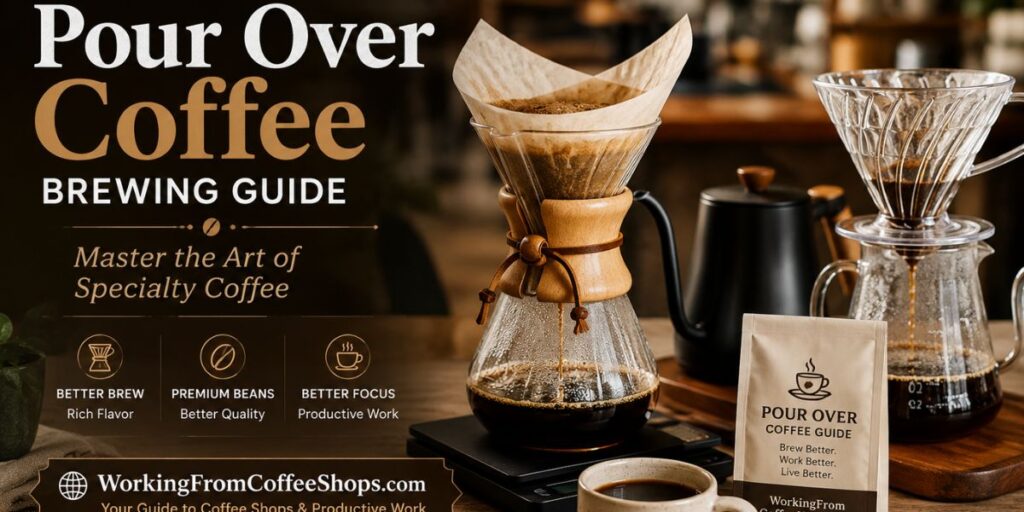
Different brewing methods work better with certain coffees.
| Brewing Method | Best Roast |
| French Press | Medium-dark |
| Espresso | Medium-dark |
| Pour Over | Light-medium |
| Cold Brew | Dark roast |
| Drip Coffee | Medium roast |
Espresso often works best with bold coffee flavors. Pour-over coffee usually tastes brighter and lighter. Cold brew coffee may taste smoother and less acidic.
Best Organic Mold-Free Coffee Types
Many people search for mold-free organic coffee today.
Popular choices often include:
- single-origin coffee
- shade-grown coffee
- low-acid coffee
- small-batch roasted coffee
These coffees often focus on quality and freshness.
Single-Origin vs Coffee Blends
Coffee beans can come from one place or many places.
Single-Origin Coffee
Single-origin coffee comes from one region or farm. It often has unique flavors.
Coffee Blends
Blends mix beans from different places. They usually create balanced flavors.
Best Coffee Origins for Organic Beans
Coffee flavor changes based on where it grows.
Ethiopian Coffee
Often fruity and bright.
Colombian Coffee
Smooth and balanced.
Peruvian Coffee
Mild and nutty.
Guatemalan Coffee
Rich and bold.
Sumatra Coffee
Earthy and deep.
Trying different origins can help you find the flavor you enjoy most.
How to Tell If Coffee Beans Are Fresh?
Fresh coffee has a better smell and flavor.
Here are simple signs of fresh coffee:
- strong coffee aroma
- recent roast date
- rich flavor
- dry and firm beans
Old coffee may taste flat or dull.
Coffee stays fresh longer in airtight containers.
How to Store Organic Coffee Properly?
Fresh coffee tastes best when stored correctly.
Follow these simple tips:
- keep coffee in an airtight container
- store in a cool place
- avoid sunlight
- avoid heat
- keep bags sealed tightly
Good storage helps coffee stay fresh longer.
Common Coffee Brewing Mistakes
Small mistakes can change coffee flavor.
Using Water That Is Too Hot
Very hot water can make coffee taste bitter.
Using the Wrong Grind Size
Fine grinds work better for espresso. Coarse grinds work better for French press.
Using Old Beans
Old coffee loses flavor over time.
Bad Storage
Air and heat can make coffee stale faster.
Using Too Much Coffee
Too much coffee can taste too strong or bitter.
Common Mistakes When Buying Organic Coffee
Many beginners make small mistakes while buying coffee.
Buying Old Coffee
Always check the roast date if possible.
Choosing the Wrong Roast
Dark roast is not always stronger. Medium roast works best for many beginners.
Ignoring Brewing Methods
Some coffees work better for espresso while others fit pour-over better.
Buying Large Bags Too Soon
Coffee loses freshness over time. Start with smaller bags first.
Why Is Organic Coffee More Expensive?
Organic coffee often costs more for several reasons.
Farmers may use:
- slower farming methods
- careful harvesting
- special certifications
- extra quality testing
Many organic farms are also smaller farms with lower production.
How to Choose the Best Organic Coffee for Your Lifestyle?
Different coffee drinkers often want different things.
For Beginners
Choose:
- medium roast coffee
- smooth flavors
- balanced taste
- low bitterness
For Health-Conscious Buyers
Look for:
- USDA Organic labels
- lab-tested coffee
- low acid coffee
- fresh roast dates
For Strong Coffee Lovers
Dark roast coffee usually gives bold and smoky flavors.
For Smooth Everyday Coffee
Medium roast coffee often works well for daily drinking.
Best Organic Coffee Beans for Beginners
If you are new to coffee, look for:
- medium roast coffee
- balanced flavor
- low bitterness
- smooth finish
Avoid very dark or very acidic coffee at first.
Simple flavors are often easier for beginners to enjoy.
Organic Coffee Benefits for Daily Coffee Drinkers
Many daily coffee drinkers enjoy organic coffee because it may offer:
- cleaner farming methods
- smoother taste
- fewer chemical concerns
- ethical sourcing
Many people also enjoy supporting smaller coffee farms.
Frequently Asked Questions?
Is organic coffee healthier?
Many people choose organic coffee because it uses fewer synthetic chemicals during farming.
Does organic coffee taste better?
Some people describe organic coffee as smoother or cleaner tasting.
What is mold-free coffee?
Mold-free coffee is tested for mold toxins called mycotoxins.
Is organic coffee less acidic?
Some organic coffee may feel smoother, but acidity mostly depends on roast type and bean origin.
Which roast has the most caffeine?
Light roast coffee may keep slightly more caffeine by bean weight, but the difference is small.
Is whole bean coffee better?
Whole bean coffee stays fresh longer than ground coffee.
Conclusion
After researching many organic coffee brands, coffee origins, roast levels, and brewing methods, one thing became very clear. The best organic coffee is the coffee that matches your taste, lifestyle, and daily routine.
Some people prefer smooth and low acid coffee. Others enjoy bold dark roasts or bright fruity flavors. Freshness, roast quality, ethical sourcing, and proper storage all make a big difference in the final cup.
Many beginners think buying good coffee is difficult. In reality, starting with fresh medium roast organic coffee is often the easiest and safest choice for daily drinking.